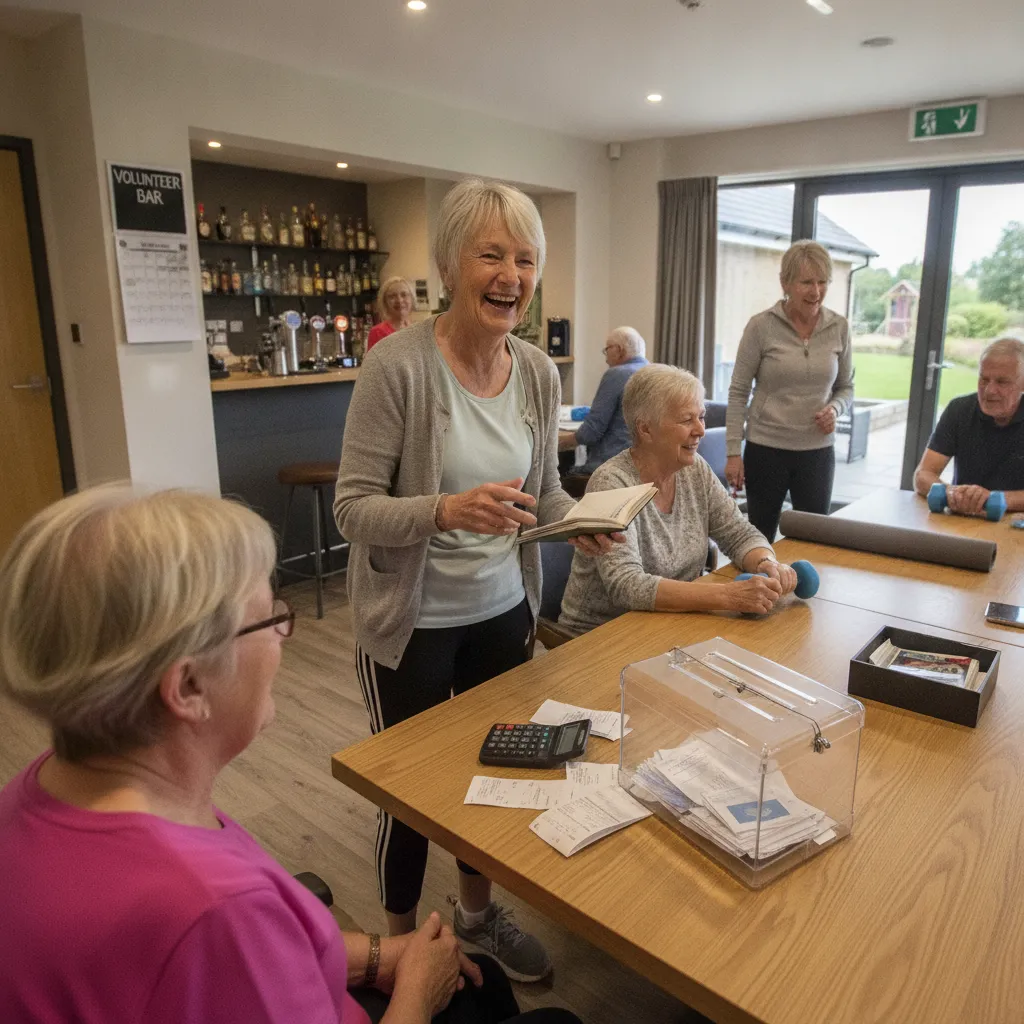
Tricia Keane never expected her move to a retirement village five years ago to result in a schedule busier than most working professionals. At seventy two, she balances roles as the events group treasurer and a social committee member, while also volunteering at the bar and attending weekly Zumba and Pilates classes. For Keane, the secret to staying sharp lies in the intersection of responsibility and recreation, noting that managing receipts and payments for her community keeps her mind agile and focused.
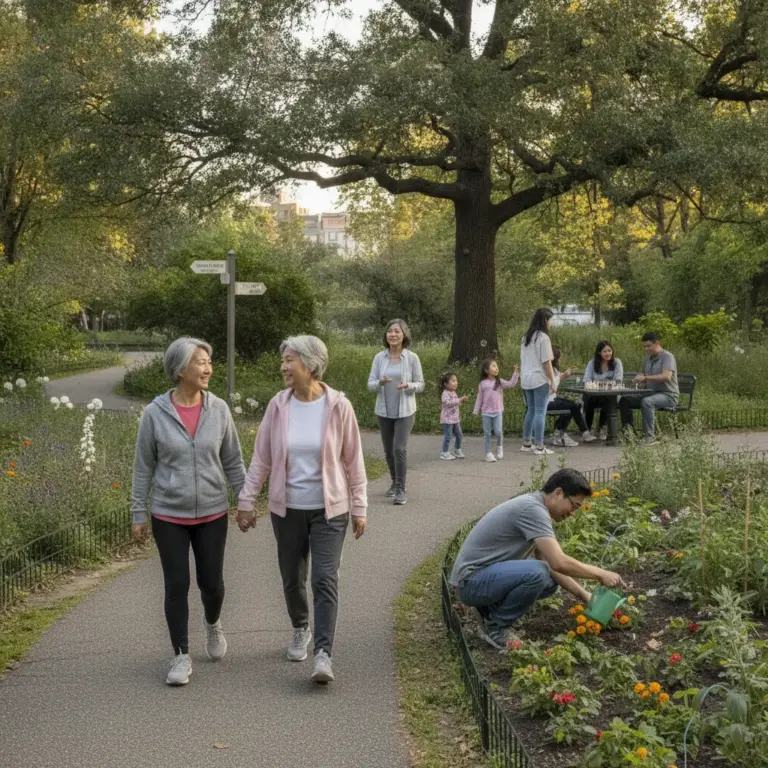
Her experience aligns with insights from Rajna Ogrin, a senior researcher at Bolton Clarke, who emphasizes that brain health is inextricably linked to overall wellness. According to Ogrin, cognition is influenced by everything from sleep quality and sensory health to emotional stability. While many people treat physical fitness and socializing as separate goals, combining them into single activities creates a powerful synergy that supports long term cognitive function. Instead of choosing between a gym session or a coffee date, experts suggest turning those dates into walks or joint exercise classes.
Beyond merging movement with friendship, fostering a genuine sense of belonging through volunteering or hobby groups can significantly lower the risks associated with social isolation. Whether it is mastering a new digital skill, practicing mindfulness during a stroll, or simply maintaining regular contact with a few close loved ones, the key is consistency and enjoyment. By treating brain health holistically—prioritizing cardiovascular wellness alongside intellectual curiosity—older adults can maintain their independence and engagement far longer.