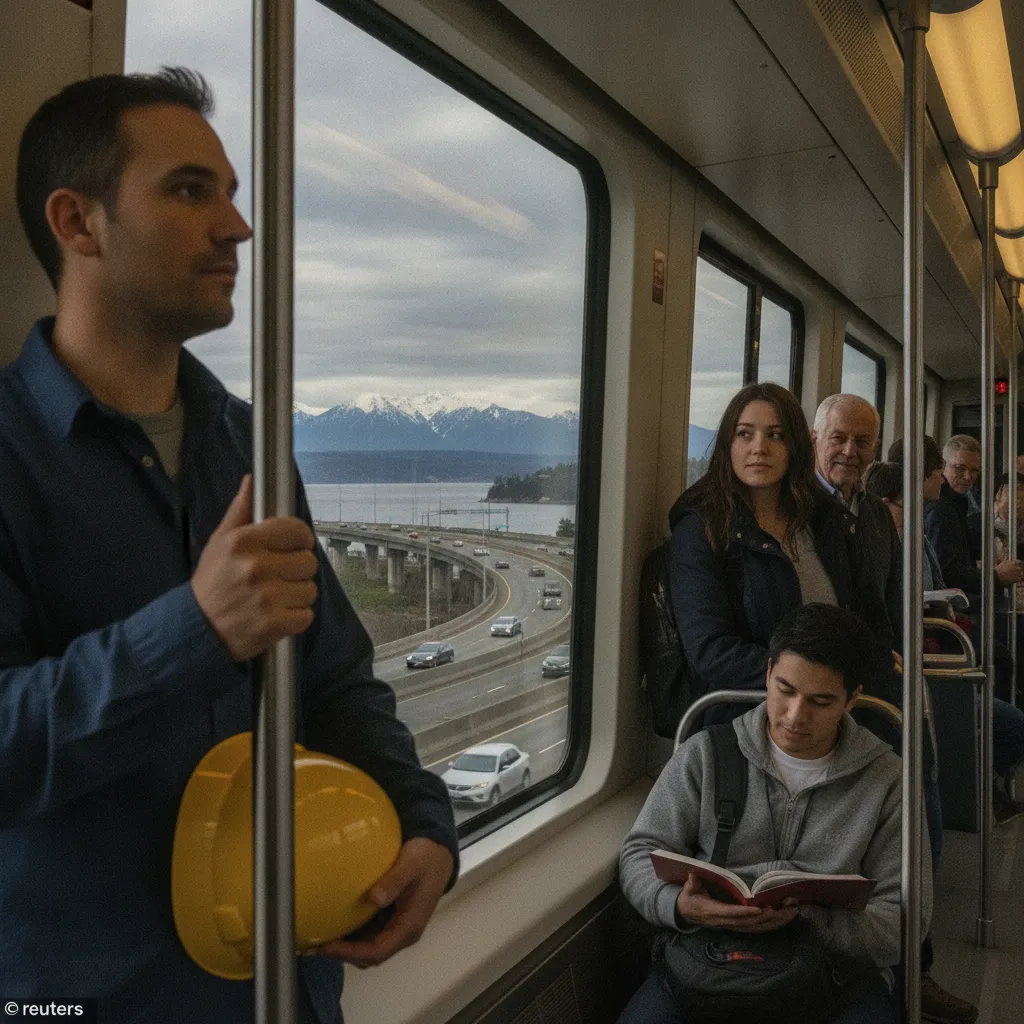
Three decades ago, the Puget Sound region stood at a crossroads, grappling with growth and a desperate need for better connectivity. For years, attempts to establish a regional rail system had fallen flat, most notably during the failed Forward Thrust initiatives of the late sixties. However, everything changed in November 1996 when voters across Snohomish, King, and Pierce counties finally said yes to Sound Move. This three point nine billion dollar plan did more than just fund tracks and buses; it created the blueprint for what would eventually become Sound Transit, transforming the way millions of people navigate their daily lives.
The initial vision was an ambitious trifecta of transport options designed to link far flung communities with urban hubs. By introducing light rail connecting downtown Seattle to the airport and university areas, establishing Sounder commuter rail for those traveling from Tacoma and Everett, and launching a fleet of express buses, the agency aimed to create a seamless web of mobility. The progress was rapid once the wheels started turning. Express buses hit the road in 1999, followed quickly by the first Sounder trips in 2000 and the landmark opening of Central Link light rail in 2009.
Over time, this foundational success emboldened the region to dream bigger. Subsequent voter approvals in 2008 and 2016 provided the fuel for further expansions known as ST2 and ST3. These subsequent phases pushed light rail deeper into surrounding cities and introduced innovative bus rapid transit routes. The impact reached a fever pitch recently with the opening of the Crosslake Connection in early 2026, which propelled Link into position as the highest ridership light rail system in the United States, outpacing major metropolitan networks like those in Los Angeles and San Francisco.
Looking back from twenty twenty six, it is clear that Puget Sound is unrecognizable compared to its nineteen ninety six self. As Seattle, Bellevue, Tacoma, and Everett have swelled in populationC these transit arteries have allowed residents to reach jobs and education without being tethered solely to highway traffic. While thirty years of construction are now behind them, the journey is far from over. With ongoing investments continuing to stretch the network further into new neighborhoods, the legacy of that first brave vote remains a living project that continues to evolve alongside the region it serves.