A recent analysis of travel behavior following a forty day conflict in Iran reveals a profound shift in how citizens approach movement and planning. Data provided by the booking platform MrBilit indicates that the initial shock of the unrest led to a staggering forty percent year over year drop in trips, with three quarters of previously booked tickets being canceled. This sudden contraction highlighted a dual crisis for the travel industry, where companies had to balance the logistical nightmare of mass cancellations while facing a sharp decline in new customers.
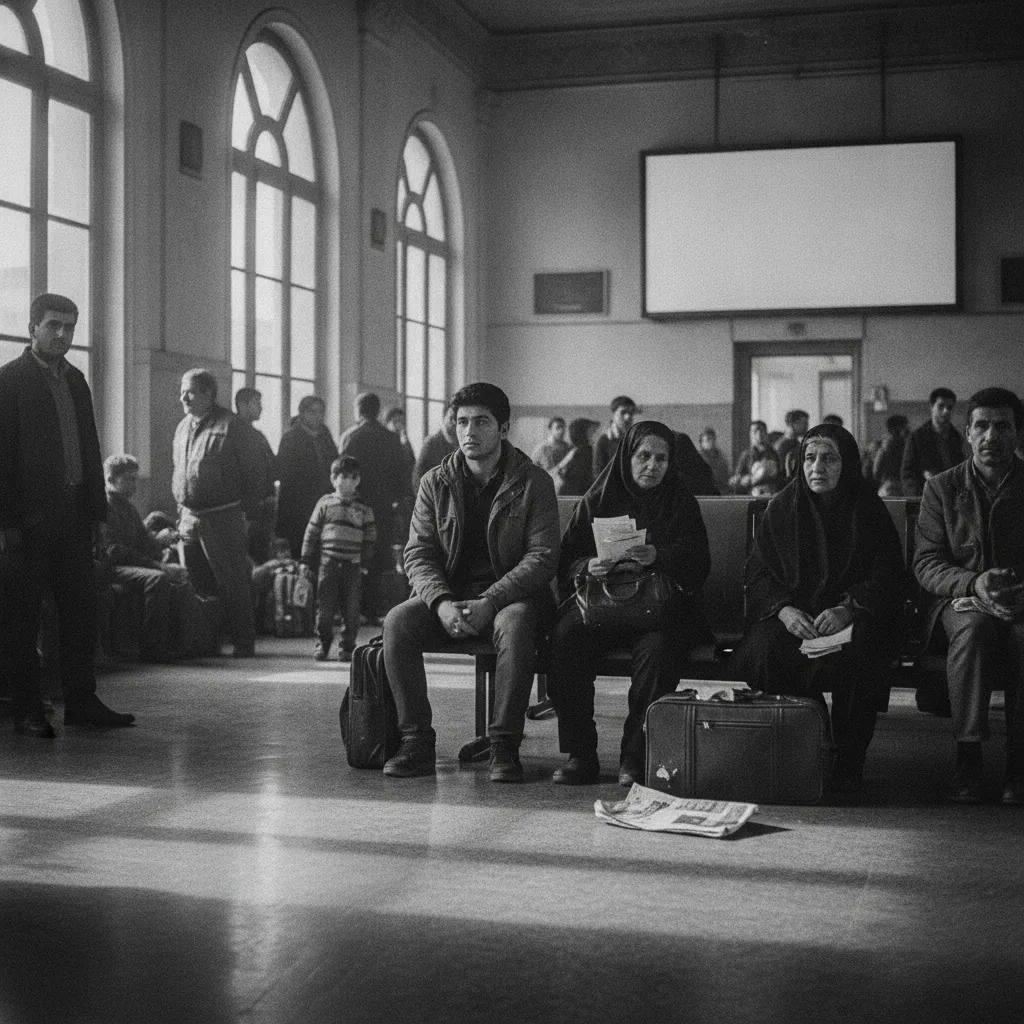
As stability wavered, travelers abandoned long term planning in favor of extreme caution. The share of last minute bookings made within twenty four hours of departure jumped from forty to sixty percent, suggesting that passengers were only willing to commit to a trip once they felt certain it could actually happen. When flight disruptions became common, most people simply gave up on their plans entirely, though a small minority pivoted toward ground transportation. This desperation drove a massive spike in bus ticket sales, which surged by two hundred percent on the first day of the war as stranded passengers sought any viable way home.
Recovery has since begun, but it remains fragmented across the country. While high traffic routes such as those connecting Tehran to Mashhad and Qom bounced back quickly, southern destinations like Kish and Chabahar have struggled to regain their previous momentum. Experts note that this uneven return likely reflects a mix of essential business and religious pilgrimages rather than a full revival of leisure tourism. For an industry trying to rebuild, these trends serve as a reminder that regaining passenger trust takes longer than restoring physical infrastructure.