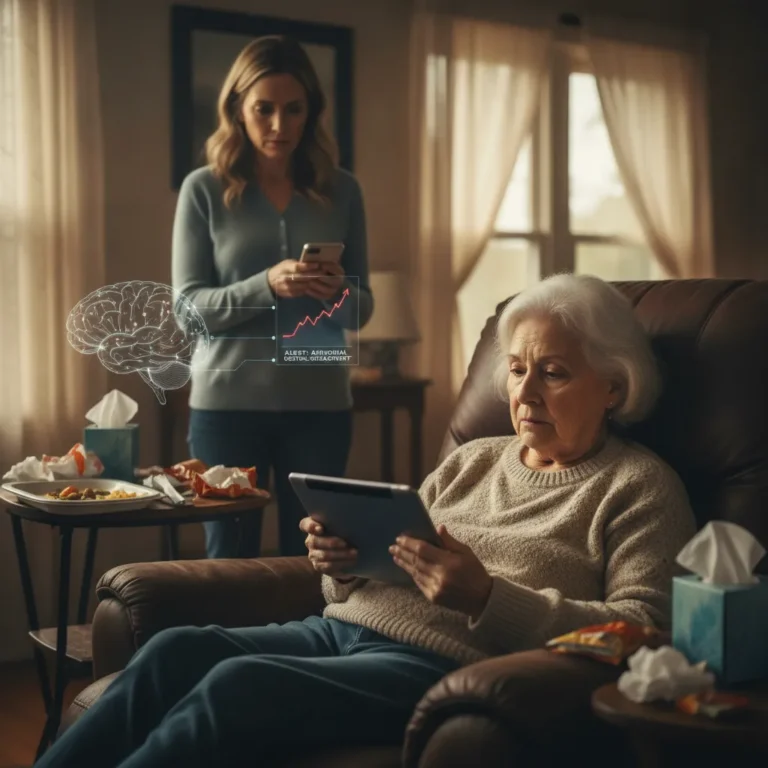
Most Americans over the age of 50 share a common dream of growing old in the comfort of their own homes rather than moving into assisted living. However, achieving that independence often comes down to a concept many people overlook until it is too late: skeletal longevity. According to Dr. Vonda Wright, a double board-certified orthopedic surgeon, the ability to stay independent depends heavily on the health of our muscles, bones, and tendons. She notes that the primary hurdles to aging in place are typically loss of mobility, specifically the struggle to stand up from a chair or manage personal hygiene, which can quickly lead to a loss of autonomy.
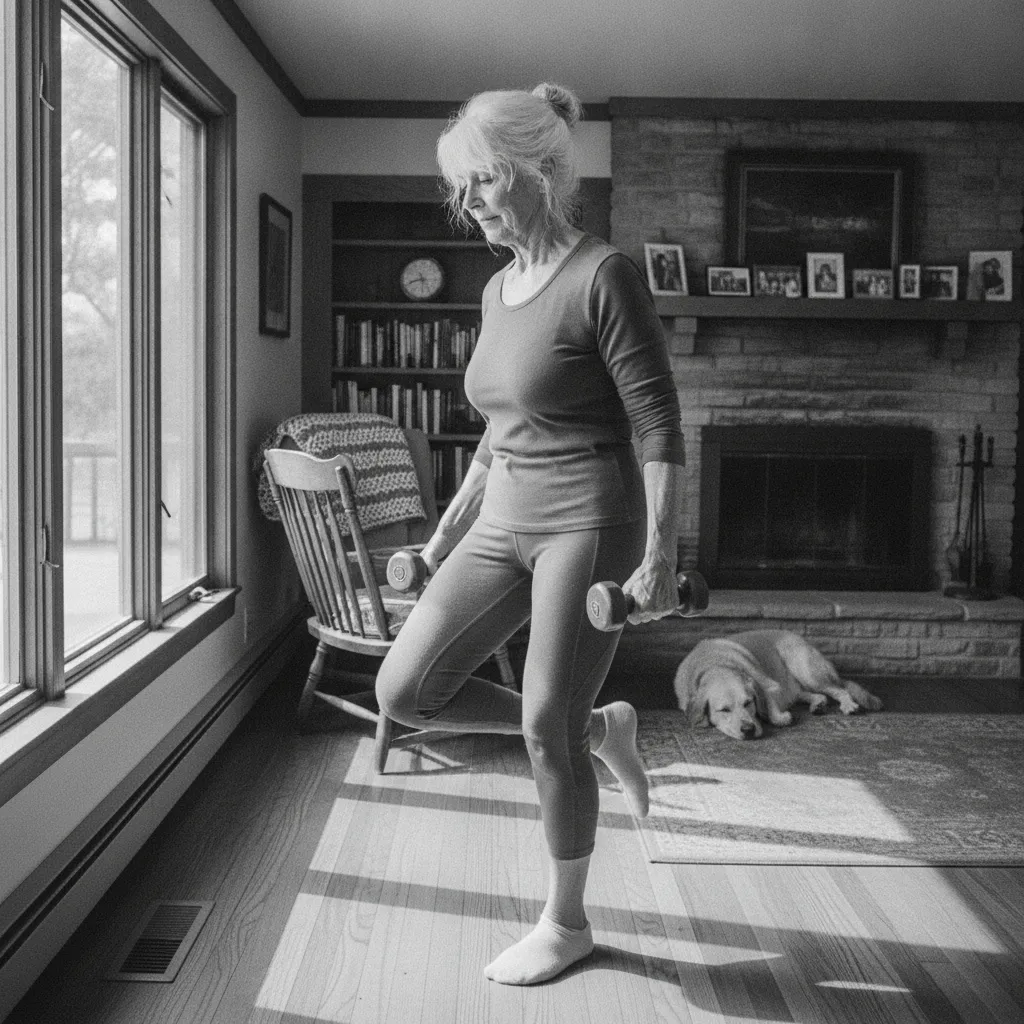
A common misconception among seniors is that resting is the best way to deal with joint pain or arthritis. Dr. Wright argues the opposite, suggesting that while you should not push through acute injuries, total rest rarely cures chronic pain. Instead, she encourages older adults to build strength around their joints to provide better support. Whether it is walking, swimming in chest-deep water, or using resistance bands, keeping the body moving helps preserve the essential functions required for daily tasks like carrying groceries or climbing stairs. Remarkably, research shows that it is never too late to start; even individuals in their nineties have shown massive gains in muscle strength and mobility after starting resistance training.
Beyond movement, fueling the body correctly is a critical pillar of maintaining independence. As people age, they often naturally eat less, but this caloric drop can sabotage their attempts to stay strong. Dr. Wright emphasizes that building and maintaining muscle requires a protein-forward diet rich in seafood, beans, lentils and dairy. Without adequate nutrition and energy intake, exercise alone cannot sustain the musculoskeletal system against the tide of frailty.
Ultimately, fighting off dependency begins with changing how we perceive aging itself. Too many people view their later years as an inevitable slide toward fragility based solely on their birth date. By treating physical activity and nutrition as a lifelong investment—starting as early as their thirties and forties—adults can create a long term plan for stability. By challenging assumptions about what they are capable of doing regardless of age or current skill level, seniors can reclaim their vitality and secure their desire to live on their own terms.