
Many people go through life believing they are in peak health, only to discover during a routine doctor visit that their blood pressure is dangerously high. This hidden danger is precisely why medical professionals are sounding the alarm. A recent University of Oxford study suggests that millions may be living with hypertension without any idea, largely because the condition rarely produces obvious symptoms until it leads to severe complications like heart attacks or strokes. Dr. Lucy Hooper warns that you can feel perfectly fine for years while your risk for kidney and heart disease quietly climbs.
Fortunately, doctors emphasize that while genetics play a role, lifestyle choices provide a powerful way to regain control. One of the most accessible strategies is incorporating thirty minutes of brisk walking into your schedule five days a week. Experts suggest moving fast enough to get slightly breathless but not so fast that you cannot hold a conversation. However, a single morning stroll isn’t always enough if the rest of the day is spent glued to an office chair. To combat the risks associated with sedentary behavior, physicians recommend breaking up long periods of sitting by standing or walking for several minutes every hour.
Dietary changes and targeted exercises also offer significant benefits. Adopting the DASH diet, which prioritizes fruits, vegetables, whole grains, and lean proteins while limiting salt and sugar, helps lower sodium levels and improve cholesterol. For those looking for efficiency in their workout, isometric movements like wall squats have emerged as surprisingly effective tools. Recent research indicates that holding these static muscle contractions just a few times a week can significantly reduce systolic blood pressure over time.
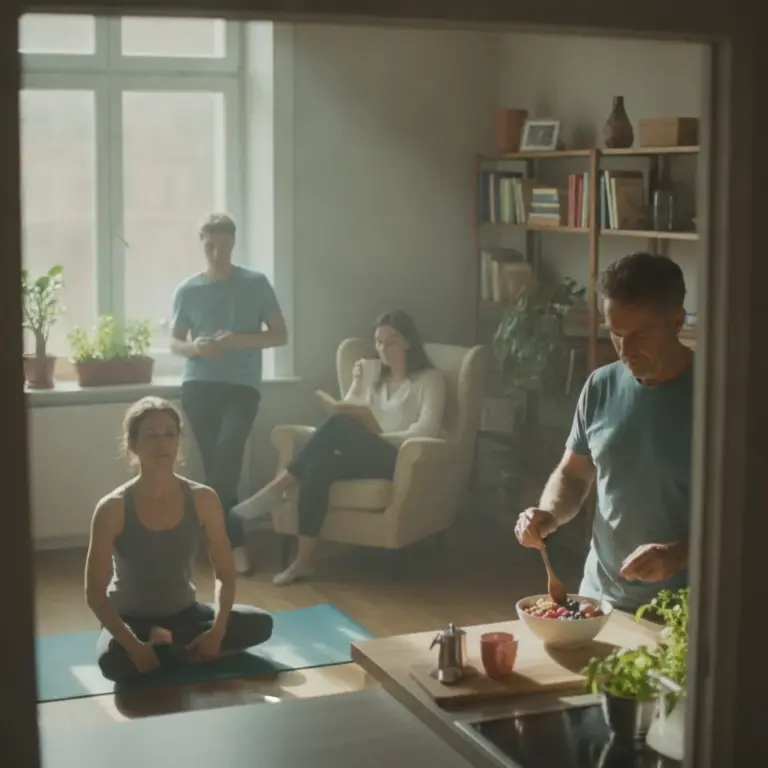
Beyond physical activity and nutrition, managing mental well-being is critical for cardiovascular health. Chronic stress doesn’t just spike blood pressure directly; it often triggers unhealthy coping mechanisms like poor eating habits or increased alcohol consumption. Whether through mindfulness practices, organizing tasks into manageable lists, or simply connecting with friends and family, finding personalized ways to lower stress acts as a vital shield against hypertension and its long term consequences.