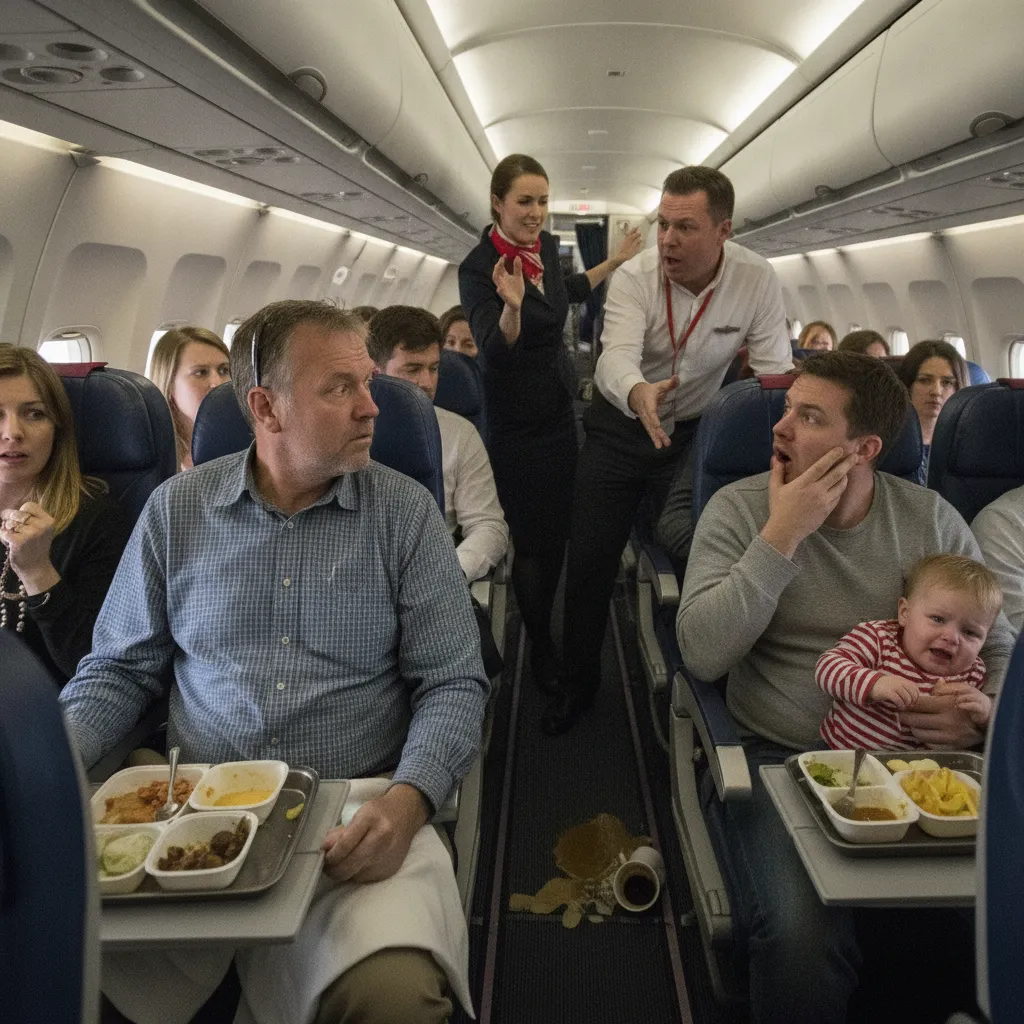
For many travelers, the true terror of aviation has nothing to do with mechanical failure or the dizzying heights of thirty thousand feet. While the sensation of dropping through a cloud or hitting a rough patch of turbulence used to be the primary source of anxiety for Paul Marshall, a seasoned travel writer, those fears have since evolved. He argues that while flying remains statistically the safest way to move across the globe, the actual danger lies in the unpredictable behavior of fellow passengers.
The ordeal begins long before takeoff during the chaotic scramble of boarding zones where eagerness often overrides basic etiquette. Once on board, there is a fleeting moment of hope when a neighboring seat remains empty, only for that peace to be shattered by the arrival of a latecomer laden with duty free bags. From passengers who monopolize overhead bin space to those who engage in loud, expletive filled arguments over cellular phones despite flight regulations, the cabin becomes a microcosm of social friction.
Marshall recalls particularly harrowing experiences ranging from intoxicated seatmates who slump over in drunken sleep to ill passengers whose hacking coughs make breathing shared air feel like a gamble with one’s health. What was once seen as a romantic opportunity to meet strangers has shifted into a desperate plea for basic boundaries. He notes that modern flights are frequently marred by armrest battles and people who sprawl across seats without regard for those around them.
Ultimately, these grievances point toward a broader decline in communal courtesy within the travel industry. According to Marshall, this shift reflects an era of entitlement where individuals forget that aircraft are shared environments requiring mutual sacrifice for collective comfort. By treating flying as an absolute right rather than a privilege, passengers have abandoned the simple respect needed to ensure everyone reaches their destination with their sanity intact.