Standing before the Great Pyramids of Giza is a bucket list dream for millions, but for many recent visitors, the experience feels less like a cinematic adventure and more like a battle of wills. Online travel communities have begun describing Cairo as the final boss of tourism scams, a place where the gap between ancient wonder and modern frustration is cavernous. Travelers warn that despite receiving countless warnings before departure, it is easy to underestimate how aggressive the environment can be, leading to stressful encounters that start long before they reach the monuments.
The struggle often begins at the airport or upon entering the city center, where guests describe an overwhelming sense of disorder characterized by atrocious traffic and suffocating smog. Even luxury accommodations cannot always insulate tourists from the grit of the city. Some report feelings of anxiety triggered by everything from crumbling infrastructure to seeing soldiers with laser sights flickering across hotel balconies at night. This sensory overload creates a baseline of exhaustion that makes travelers particularly vulnerable to the opportunistic nature of local street vendors.
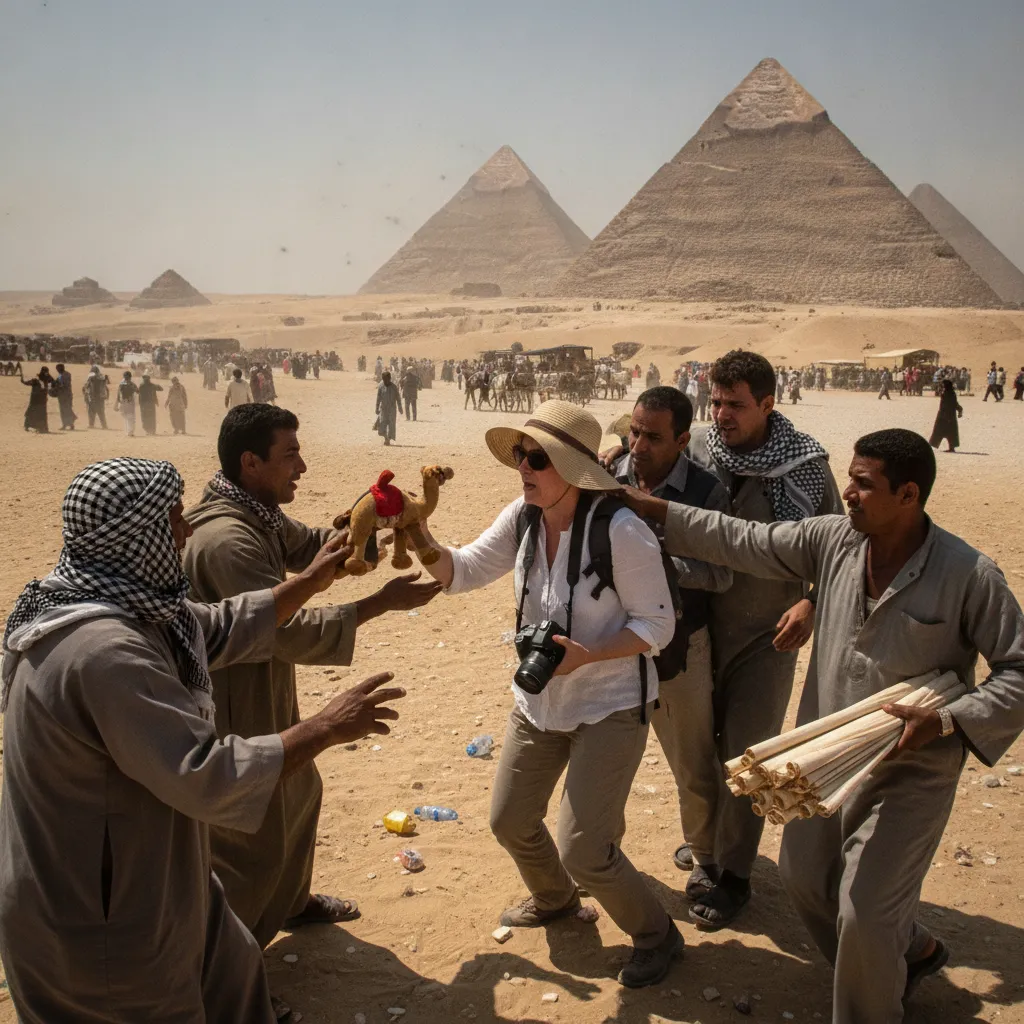
At the pyramids themselves, the pressure reaches its peak. Visitors recount being swarmed by persistent hawkers who employ psychological tactics to secure sales, including telling tourists that walking certain paths is illegal in an attempt to force them into paying for camel or horse rides. Those who navigated these waters successfully suggest adopting a strict policy of non engagement and refusing to let strangers set the terms of their visit. While riding animals can be enjoyable, experts advise negotiating a total price upfront and ignoring any claims that pedestrians are forbidden from exploring on foot.
Ultimately, those who found beauty amidst the chaos credit their success to avoiding hard mode during their first trip. Rather than winging it, seasoned travelers recommend hiring vetted drivers or requesting specific guides by name based on detailed reviews rather than trusting a general agency assignment. By utilizing tools like Uber and securing reliable local intermediaries, visitors can bridge the divide between Ancient Egypt’s fascination and Modern Egypt’s frustrations, ensuring that their memories focus on the pharaohs rather than the hustle.