
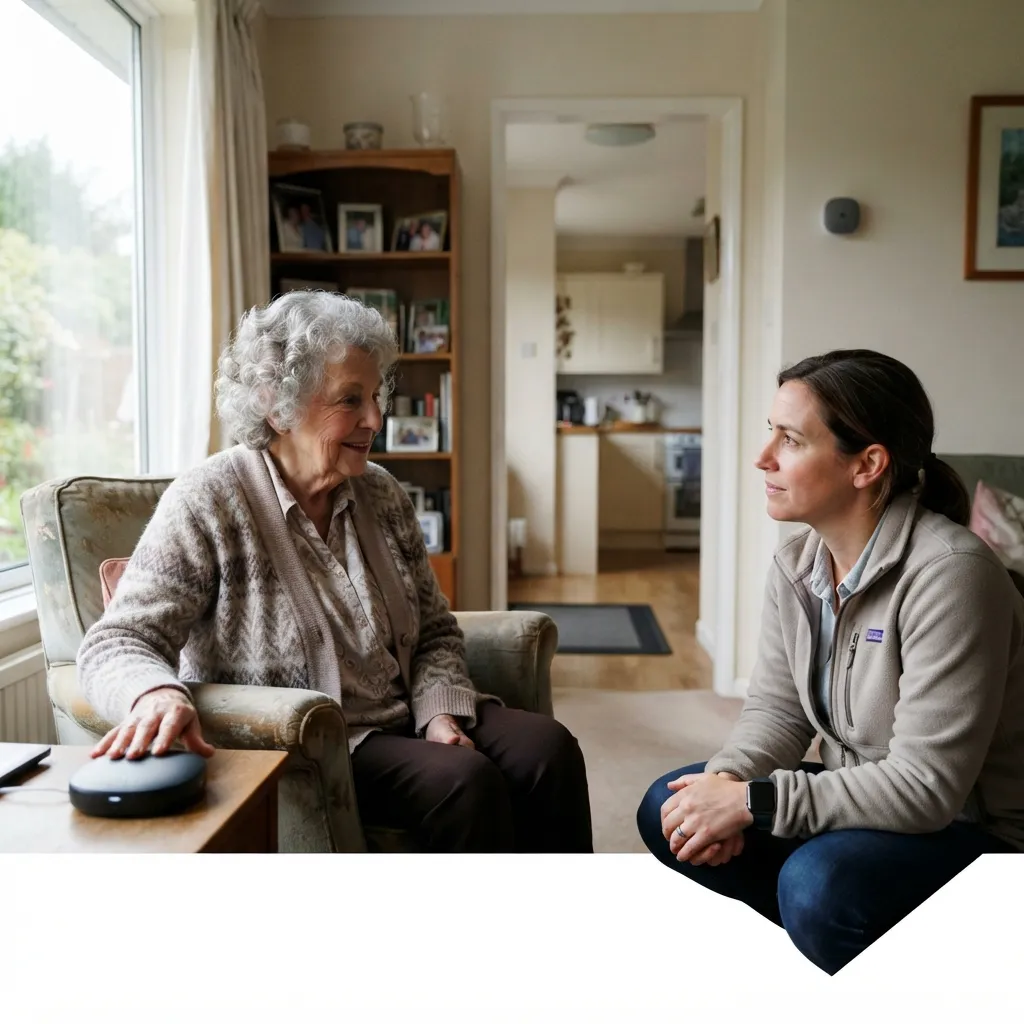
The landscape of aging at home is undergoing a dramatic transformation as simple medical alert buttons give way to a sophisticated ecosystem known as age tech. Today, seniors and their caregivers have access to everything from four dimensional radar sensors that detect falls without the need for cameras to smart mats capable of tracking vital signs during a morning routine. These advancements come at a critical time, as the vast majority of adults over sixty five prefer to remain in their own homes despite the increasing complexities of managing long term care.
Industry experts suggest that the key to navigating this dazzling array of gadgets is to start with a specific problem rather than searching for a general solution. This targeted approach helps users find tools tailored to their unique needs, whether that involves medication reminders via an AI powered tabletop companion or wearables that monitor blood pressure. With spending on technology among those over fifty projected to reach one hundred twenty billion dollars by 2030, it is clear that both seniors and their support networks are embracing digital interventions to bridge gaps in daily care.
At the heart of this revolution is artificial intelligence, which has shifted devices from being reactive to predictive. Rather than simply alerting someone after an accident happens, modern AI algorithms analyze biometric baselines to spot subtle red flags, such as changes in walking patterns that might precede a fall or sleep disruptions indicating an underlying infection. Some innovative systems now use radio waves to map movement in total darkness, ensuring that even a gentle fall resulting in a long period of immobility does not go unnoticed.
Beyond safety and health monitoring, technology is stepping in to combat the emotional toll of isolation. AI companions are becoming more intuitive, moving away from scripted responses toward natural conversations that offer genuine engagement. While robotic pets and interactive tablets help maintain social connections, experts warn that this increased connectivity requires vigilance regarding data privacy. As the living room effectively becomes an extension of the healthcare clinic, balancing life saving convenience with personal privacy remains the next great challenge for the golden years.