
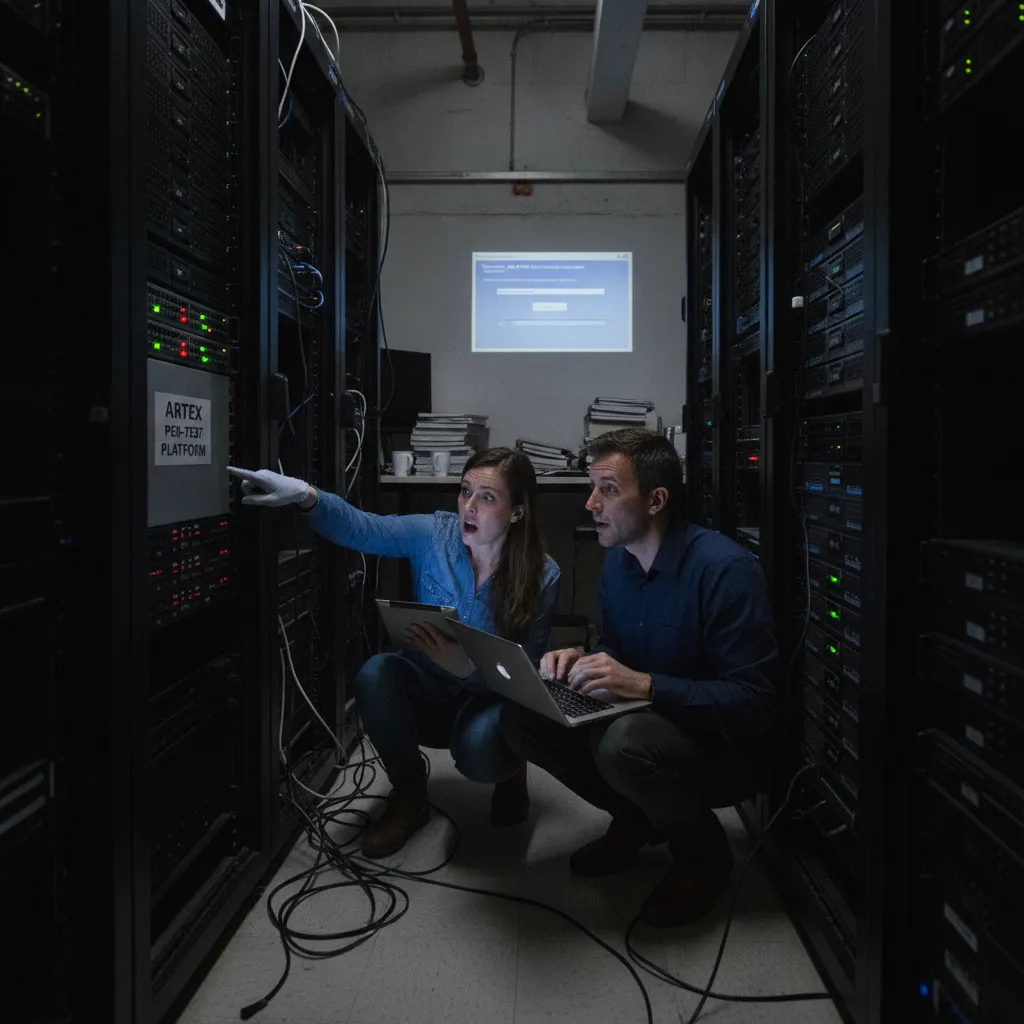
Security researchers have uncovered a staggering lapse in digital hygiene, revealing that hundreds of servers running Artex, an AI-powered penetration testing platform, were left wide open to the public internet. Because these servers lacked basic authentication, anyone with a web browser could essentially step into the shoes of a professional hacker. Rather than simple scanning tools, these platforms provide sophisticated capabilities designed to probe enterprise networks and simulate high-level attacks, effectively handing malicious actors a turnkey solution for breaching secure systems.
The integration of artificial intelligence turns this oversight from a technical glitch into a systemic threat. By automating the most complex parts of a cyberattack, Artex lowers the barrier to entry for low-skilled attackers who can now leverage AI to perform tasks that previously required years of expertise. This vulnerability arrives at a moment when the industry is obsessed with AI security, with giants like Palo Alto Networks and CrowdStrike spending hundreds of millions of dollars to acquire AI startups. The irony is stark: while the sector bets billions on AI as the ultimate shield, this incident demonstrates how easily those same shields can be turned into swords.
Experts suggest the crisis stems from sloppy deployment practices where organizations rushed to implement internal testing tools without setting up basic access controls. This rookies mistake has enterprise-scale implications because penetration testing tools inherently require deep access to internal networks to function. If an attacker accessed one of these exposed instances, they wouldn’t just have a tool; they would potentially have a map and a doorway into the heart of a corporation’s private infrastructure.
Ultimately, this exposure serves as a loud wake-up call regarding vendor responsibility and corporate haste. While user error played a role, critics argue that highly sensitive software should never be default-open upon installation. As venture capital continues to pour into AI cybersecurity funds, there is a growing fear that companies are prioritizing speed over safety. The Artex debacle proves that in the race to automate defense, we may be inadvertently building faster ways for our enemies to break in.