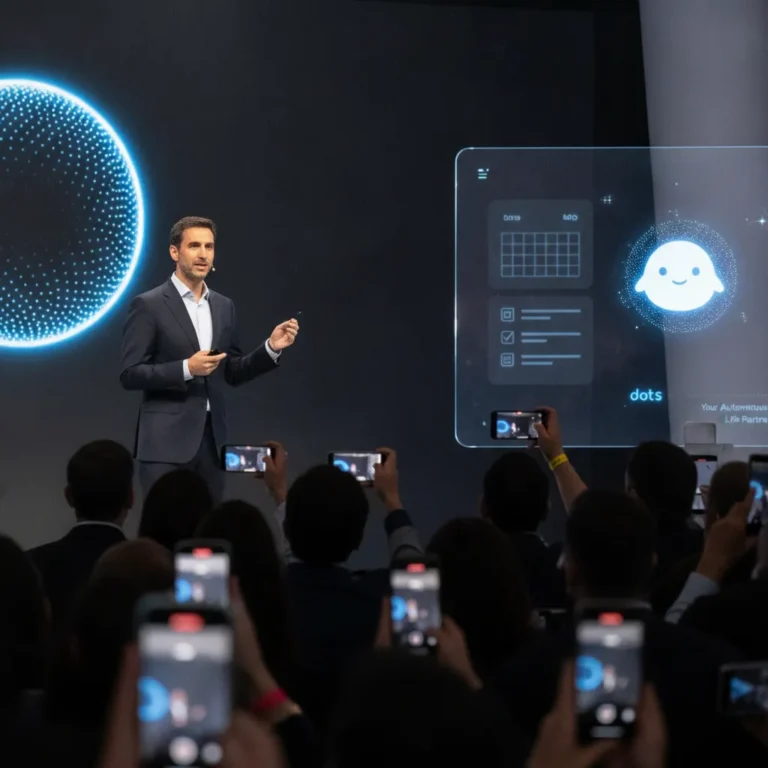

For years, event organizers have operated in a strange paradox where they collect mountains of data but struggle to prove the actual value of their gatherings. While digital marketing offers precise tracking, physical events have largely remained a black box of guesswork and manual spreadsheets. That is beginning to change as a new wave of AI-driven tools emerges to bridge the gap between attendee presence and measurable business outcomes. From connecting lead generation directly to CRMs like Salesforce via EpochX to using RFID chips for granular behavior mapping through eShow Kinetictive, the focus has shifted from simply counting heads to analyzing movement and revenue.
Efficiency is also reaching the backend of planning, where managing dozens of speakers and overlapping schedules used to be a logistical nightmare. New platforms like AgendaForge are streamlining this chaos by centralizing calls for papers and speaker portals into a single hub, utilizing AI assistants to flag scheduling conflicts in real time. Similarly, EventsAir has launched its Planner Assistant, allowing organizers to query their event data in plain language rather than spending hours building manual reports. These tools are designed to return time to the planner, shifting their role from data entry clerks back to creative architects of the guest experience.
Even non-ticketed environments are getting a technical upgrade as accuracy becomes paramount for public space management. Datafy recently introduced Tally, a tool specifically built for festivals and parades where traditional ticketing isn’t an option. By providing minute-by-minute visibility into crowd peaks and flow patterns, it replaces outdated hand-clickers with precise analytics. Combined with integrations like Walls.io bringing social media feeds directly into mobile apps, these advancements signal a broader trend toward total connectivity, ensuring that every interaction at an event is captured, analyzed, and converted into actionable intelligence.