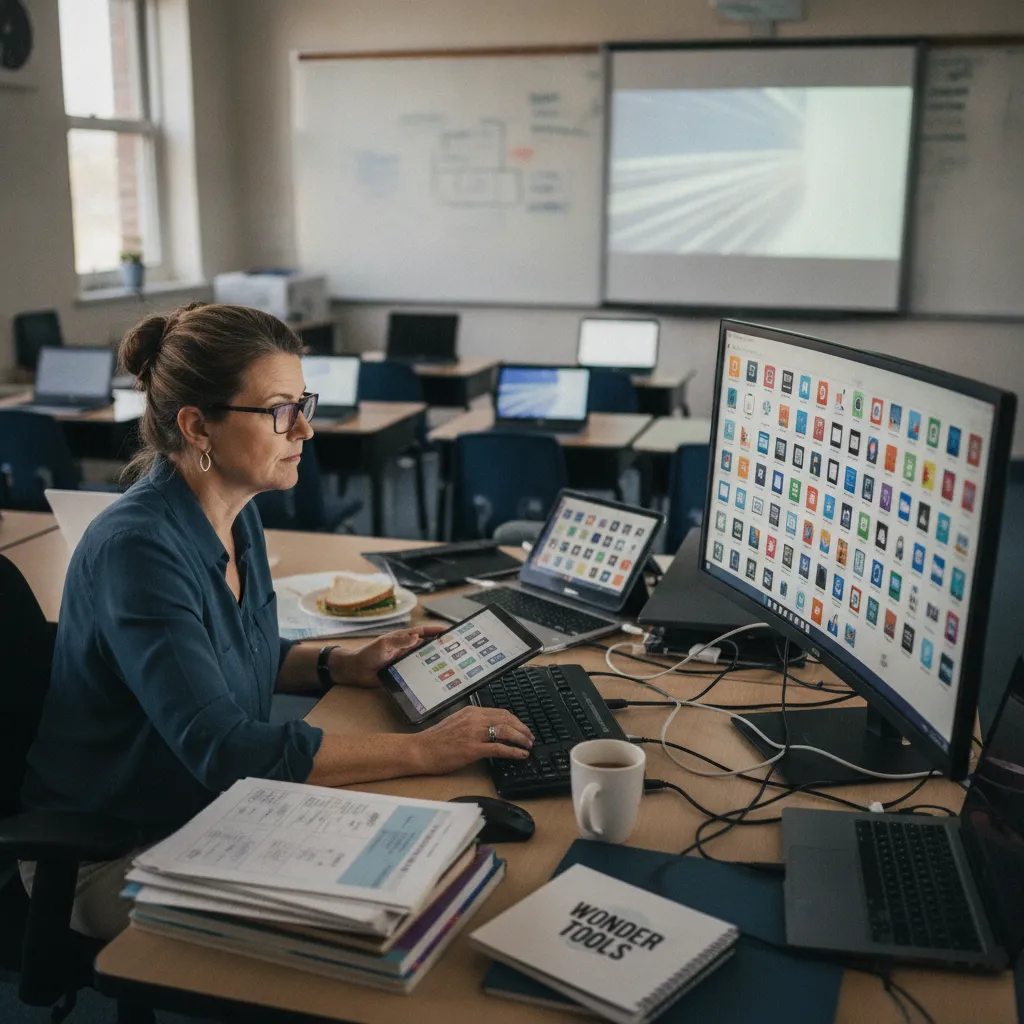
The modern educator is often overwhelmed by a relentless tide of new apps and platforms, many of which promise revolution while delivering only distraction. To cut through the noise, veteran teacher and tech analyst behind the Wonder Tools newsletter recently vetted over 200 services to identify those truly capable of enhancing the classroom experience. From primary schools to graduate seminars, the goal is to move away from clunky legacy systems toward intuitive tools that prioritize student engagement and instructional clarity.
For those tired of rigid learning management systems, Pathwright offers a refreshing alternative by replacing complex menus with streamlined learning paths that guide students one step at a time. Similarly, Figjam has stepped in to fill the void left by defunct digital whiteboards, providing a playful yet powerful space for visual brainstorming enhanced by AI categorization. Even traditional presentations are seeing an upgrade via Gamma, which allows teachers to ditch standard slide decks for dynamic layouts that embed live websites and data visualizations effortlessly.
Interactive learning is further pushed forward by Genially, a tool that transforms static images and maps into explorative experiences using clickable hotspots and embedded audio. For organization and synthesis, Google’s NotebookLM serves as a sophisticated personal archive where teachers can upload vast amounts of curricula and use semantic search to find themes that basic keyword searches would miss. By grounding AI responses solely in provided sources, it ensures accuracy while helping educators remix old handouts into fresh infographics or study guides.
Rounding out the toolkit is Claude, whose Project feature allows instructors to upload entire sets of syllabi and rubrics to create a customized AI assistant tailored to their specific pedagogy. Together, these tools represent a shift toward technology that supports rather than supplants the teacher’s role. By focusing on flexibility and privacy compliance, these platforms allow educators to spend less time fighting with software and more time fostering genuine connection with their students.