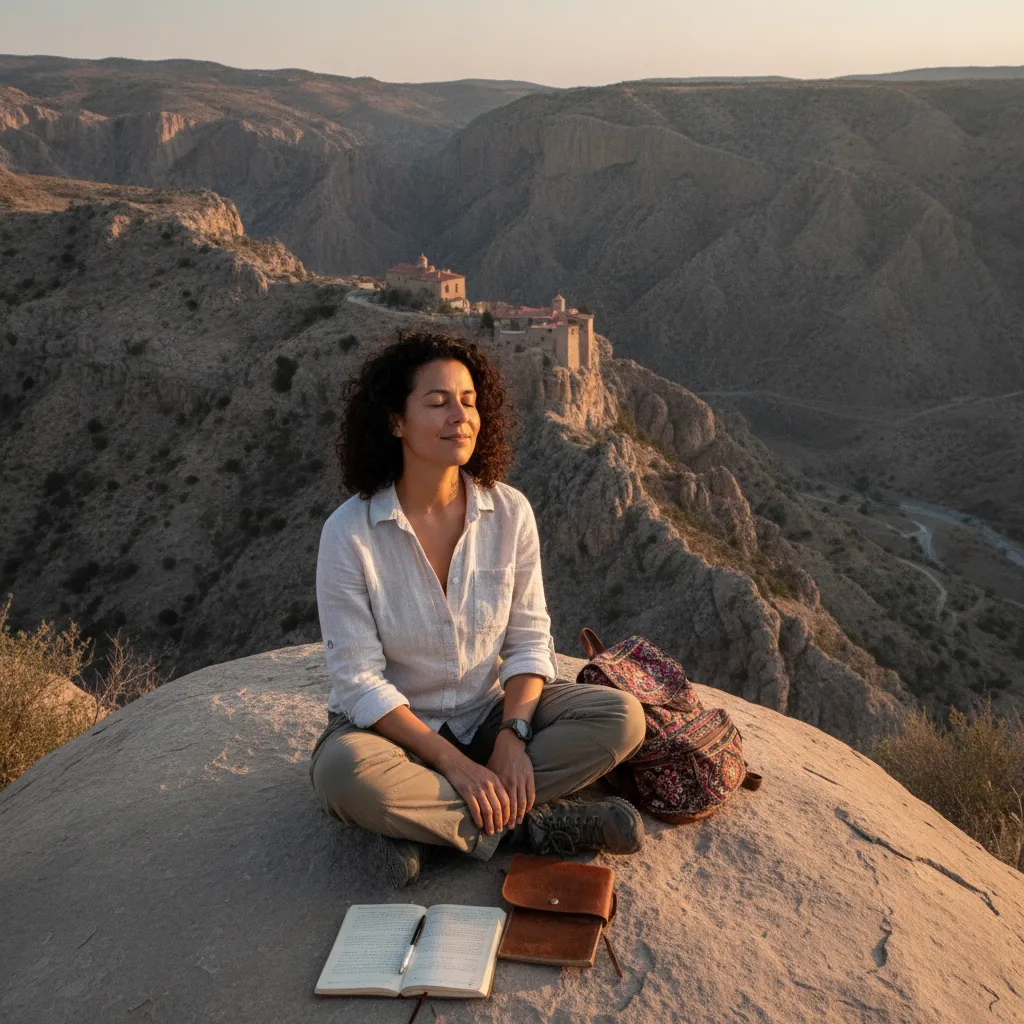
For many, the idea of boarding a plane alone evokes images of loneliness, but for a growing number of explorers, solo travel is actually a deliberate act of liberation. Wellness coach Mya McCarthy suggests that those who venture out without companions are often the black sheep of their families or communities. Rather than running away in a negative sense, these individuals are running toward a version of themselves they haven’t yet met. By stepping away from the expectations of people who have known them since childhood, solo travelers break free from the pressure to remain stagnant, using the anonymity of a foreign city to facilitate deep personal evolution.
Psychologists note that this preference for solitary exploration is rarely about being antisocial and more about regaining agency. While some might mistake a desire for total control over an itinerary as mere rigidity, it is typically rooted in a quest for specific emotional outcomes rather than checking boxes on a tourist map. Without the compromise required by a companion, travelers can lean into their own rhythms, whether that means spending hours wandering through an unplanned alleyway or sitting in silence at a museum. This autonomy allows introverts and neurodivergent individuals to recharge their batteries fully, turning a vacation into a true sanctuary of reflection.
Beyond simple relaxation, solo journeys often serve as powerful catalysts for mental health and healing. Experts suggest that navigating the world alone can lower stress and boost emotional well-being in ways traditional therapy sometimes cannot. There is something profoundly grounding about realizing that while one’s personal world may feel like it is collapsing, the rest of the globe continues to spin with beauty and indifference. This perspective shift creates space for genuine transformation, allowing travelers to shed old identities and return home with a renewed sense of purpose.
Finally, venturing out alone ironically makes people more open to connection. Without the protective bubble of a travel partner, soloists are far more likely to engage with locals and fellow wanderers they would otherwise overlook. From late night conversations with strangers at campfires to brief but intense romantic encounters in distant cities, these spontaneous interactions broaden perspectives more effectively than any guided tour could. In the end, answering to nobody provides the ultimate freedom to be whoever they want to be, transforming each trip into an exercise in courage and discovery.