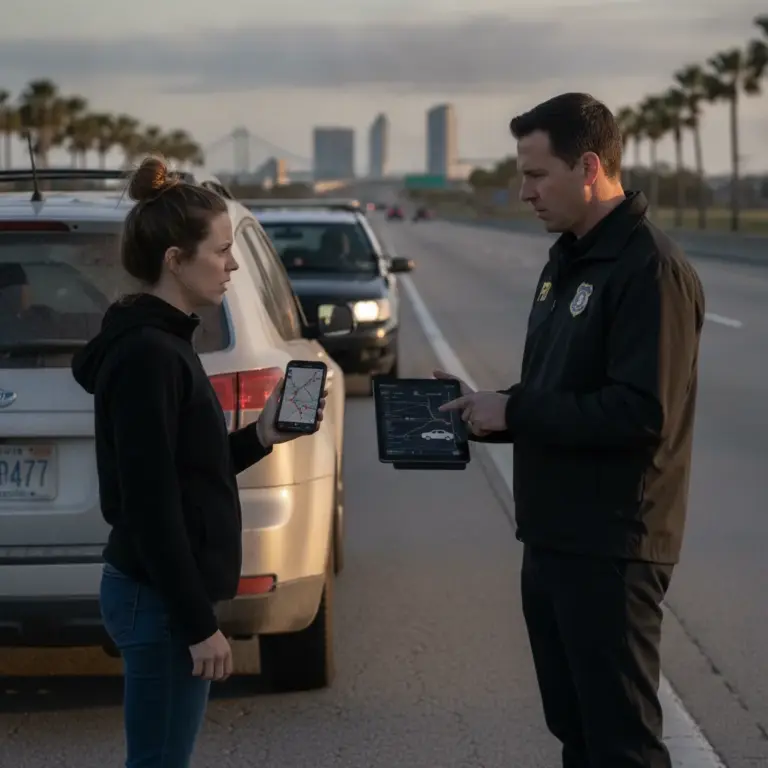

There is a specific breed of voyager who packs as if the year were 1998, and you can usually identify them long before their luggage hits the carousel. While most tourists are tethered to their smartphone screens for every turn and transaction, these old school travelers operate on a philosophy of tangible reliability. For them, travel isnt about embracing the newest gadget, but about utilizing tools that have been road tested over decades. Their suitcases are less like packing cubes and more like survival kits for the curious, filled with items that dont require a signal or a charging cable to function.
At the heart of this approach is a deep distrust of digital fragility. In an era where batteries die and cloud syncs fail, the old school packer relies on physical artifacts like dog eared guidebooks and expansive paper maps. They prefer the wide perspective of a city grid laid out on a table over the narrow window of a GPS screen. This preference extends to how they capture memories; instead of snapping hundreds of identical digital frames, many still carry compact film cameras or leather bound journals. By writing by hand and shooting limited rolls of film, they embrace a slower pace that forces them to be more intentional about what is actually worth remembering.
Beyond nostalgia, there is a gritty practicality to these habits. These travelers often carry heavy duty universal power adapters that look industrial compared to modern slim versions, alongside stashes of physical currency in multiple denominations. They know from experience that card readers crash and remote villages in Southeast Asia or Eastern Europe rarely care about contactless payments. Even their first aid kits are comprehensive legacies of past mishaps rather than minimal sets bought at an airport kiosk. To the modern observer, it might seem like an unnecessary burden, but to those who have been stranded by technology in foreign lands, these analogue essentials provide the ultimate luxury: peace of mind.