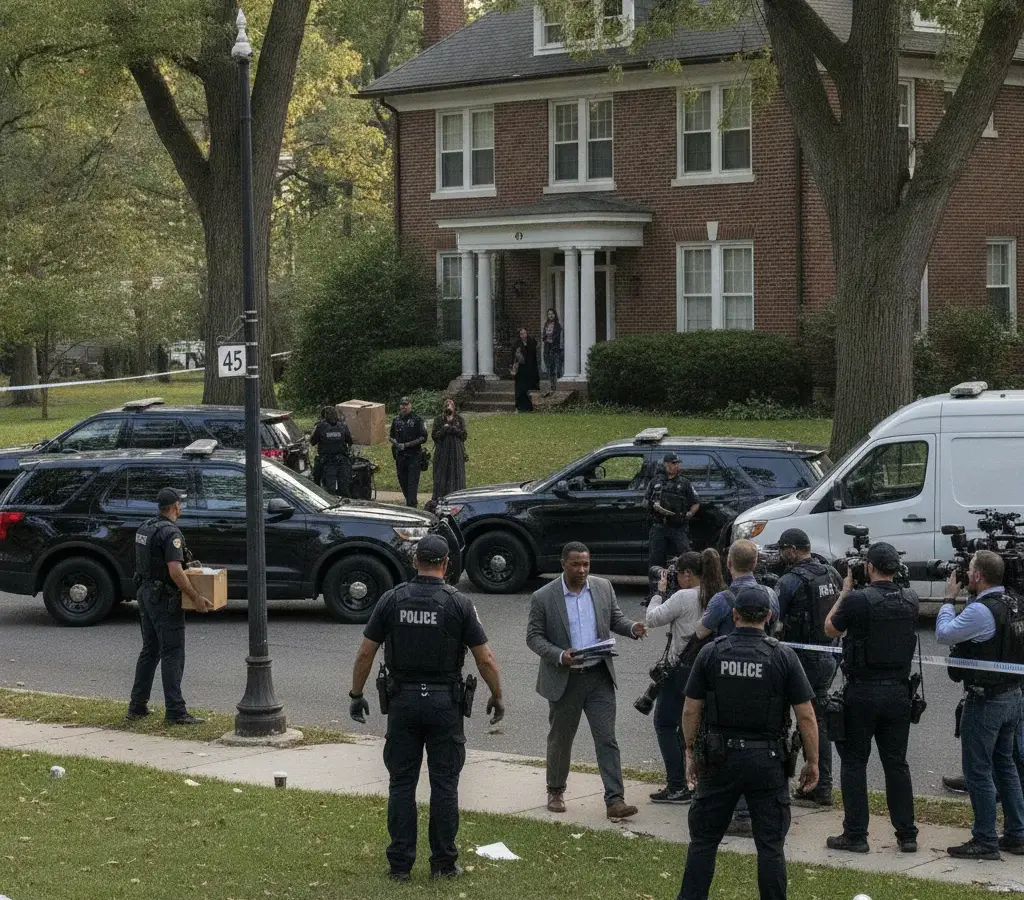
The recent federal search of Representative Ilhan Omar’s home has sparked intense debate over whether the Department of Justice is adhering to legal standards or bowing to political pressure. While a federal magistrate judge signed off on the warrant after finding probable cause that a crime occurred, the specifics of the evidence remain hidden from the public. Prosecutors appear to be scrutinizing potential false statements made during immigration and naturalization proceedings involving Omar or her family, though previous investigations into similar matters under both the Trump and Biden administrations failed to produce charges.
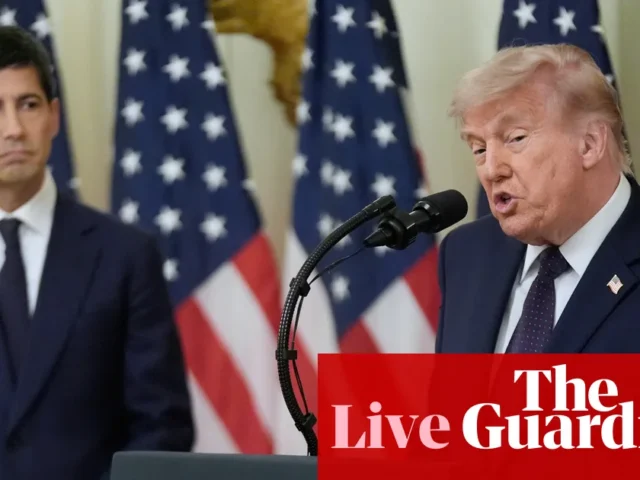
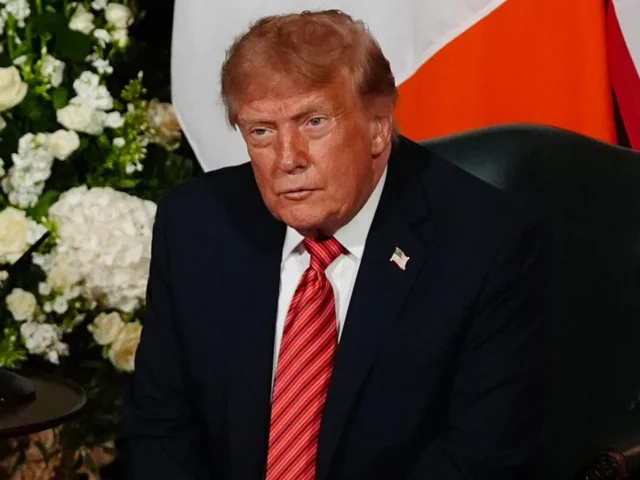
Legal experts are questioning how such an investigation fits within the typical five year statute of limitations given that Omar was naturalized in 2000. Some suggest that certain immigration crimes allow for extended timelines or that investigators are focusing on more recent filings and potential obstruction efforts, such as the destruction of documents. Regardless of the legal theory, the optics are fraught, especially considering President Trump’s history of using inflammatory language toward the congresswoman. The image of a justice department operating under a president who has openly targeted Omar creates a troubling appearance of political retribution.
Adding fuel to the fire is the timing of the raid, which took place just twenty two days before a midterm election. This appears to be a direct violation of the longstanding sixty day rule, an informal Justice Department policy intended to prevent overt law enforcement actions from swaying an election outcome. Although not a binding law, this restraint has been followed by both parties for decades to maintain institutional neutrality. Recent high profile deviations from this norm, such as those involving Hillary Clinton and Donald Trump, serve as reminders that breaking these traditions often leads to accusations of interference.
In response to these concerns, a Justice Department spokesperson argued that the guiding principle is purpose rather than proximity to an election date, claiming that ongoing work does not need to stop during campaign seasons. However critics dismiss this explanation as linguistic gymnastics, noting that no prosecutor would ever admit to intentionally influencing an election. They argue that if an action can safely wait until after voters head to the polls without compromising the case, doing so is essential to preserving the integrity of American democracy.