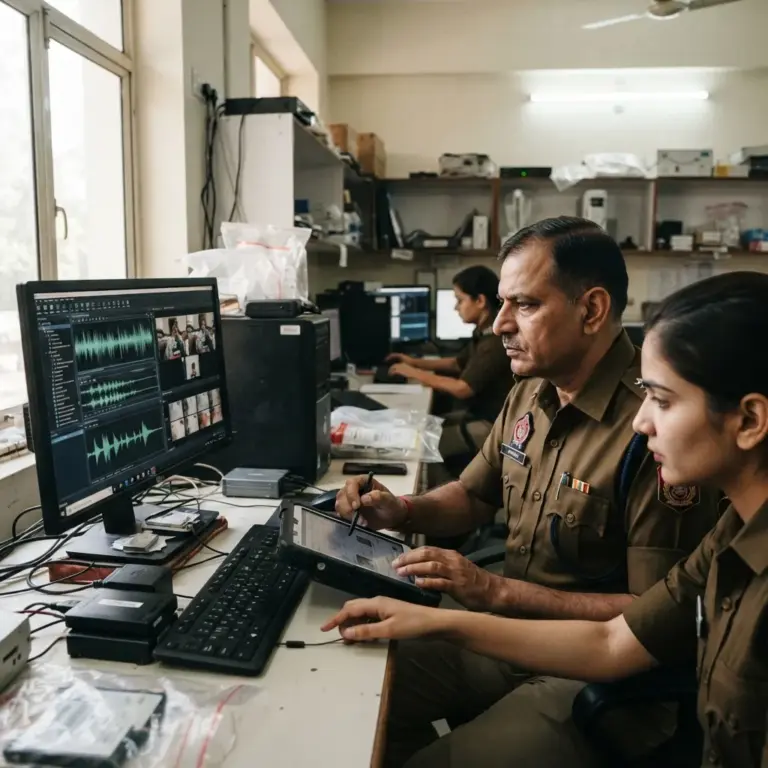

For millions of women and girls, the digital world has transformed from a tool of connection into a landscape of fear. What might seem like isolated incidents of trolling or unpleasant messages are often part of a broader pattern known as technology facilitated violence. This phenomenon encompasses everything from doxing and cyberbullying to the creation of non consensual deepfake pornography. While these attacks begin behind a screen, they rarely stay there. A leaked address or a manipulated image can quickly translate into real world stalking and psychological trauma, effectively stripping victims of their sense of safety in their own homes and workplaces.
Recent findings from the United Nations highlight a troubling convergence of factors fueling this crisis. The report points to a rising tide of misogyny within the so called manosphere, alongside the rapid advancement of artificial intelligence, which allows abusers to create convincing but fake explicit content. These tools have breathed new life into old prejudices, creating an environment where sexual harassment and tracking via GPS apps have become commonplace. Young women and those already marginalized—including women of color, LGBTIQ+ individuals, and female journalists—find themselves disproportionately targeted in these digital onslaughts.
Despite the prevalence of these crimes, there is a staggering gap between the amount of abuse occurring and the number of cases actually reported to authorities. Data suggests that most victims choose to handle the situation privately by blocking users or deleting their accounts entirely because they simply do not believe that reporting will make a difference. In some regions, only a tiny fraction of women reach out to police or platform moderators, leaving the entire burden of safety on the victim rather than the perpetrator.
This systemic failure underscores an urgent need for governments and tech giants to move beyond passive moderation toward active protection. As long as digital platforms prioritize growth over user safety and legal systems struggle to keep pace with evolving software, the internet remains a dangerous frontier for women_rights advocates and ordinary citizens alike. True security requires more than updated privacy settings; it demands a fundamental shift in how society addresses gender based violence in the age of AI.