We have all witnessed that specific type of traveler who glides through the airport security checkpoint with an almost supernatural ease, while everyone else seems to be wrestling with oversized belts and stray shampoo bottles. This efficiency is rarely a matter of sheer luck; rather, it is usually the result of a few automatic routines tailored to modern regulations. Since many rules shifted throughout 2025 and early 2026, those who continue to breeze through are simply adapting their habits to match current TSA guidance.
For many frequent flyers, the secret weapon remains expedited screening programs like TSA PreCheck. By paying a periodic fee, travelers can avoid the tedious dance of removing shoes, electronics, and liquids, often cutting wait times down to under ten minutes. Beyond membership, successful travelers stay ahead of documentation requirements. With the strict enforcement of REAL ID and passports for domestic flights—and a hefty penalty for those lacking proper identification starting in 2026—seasoned pros check their IDs weeks before departure to ensure they aren’t caught in a costly verification delay at the gate.
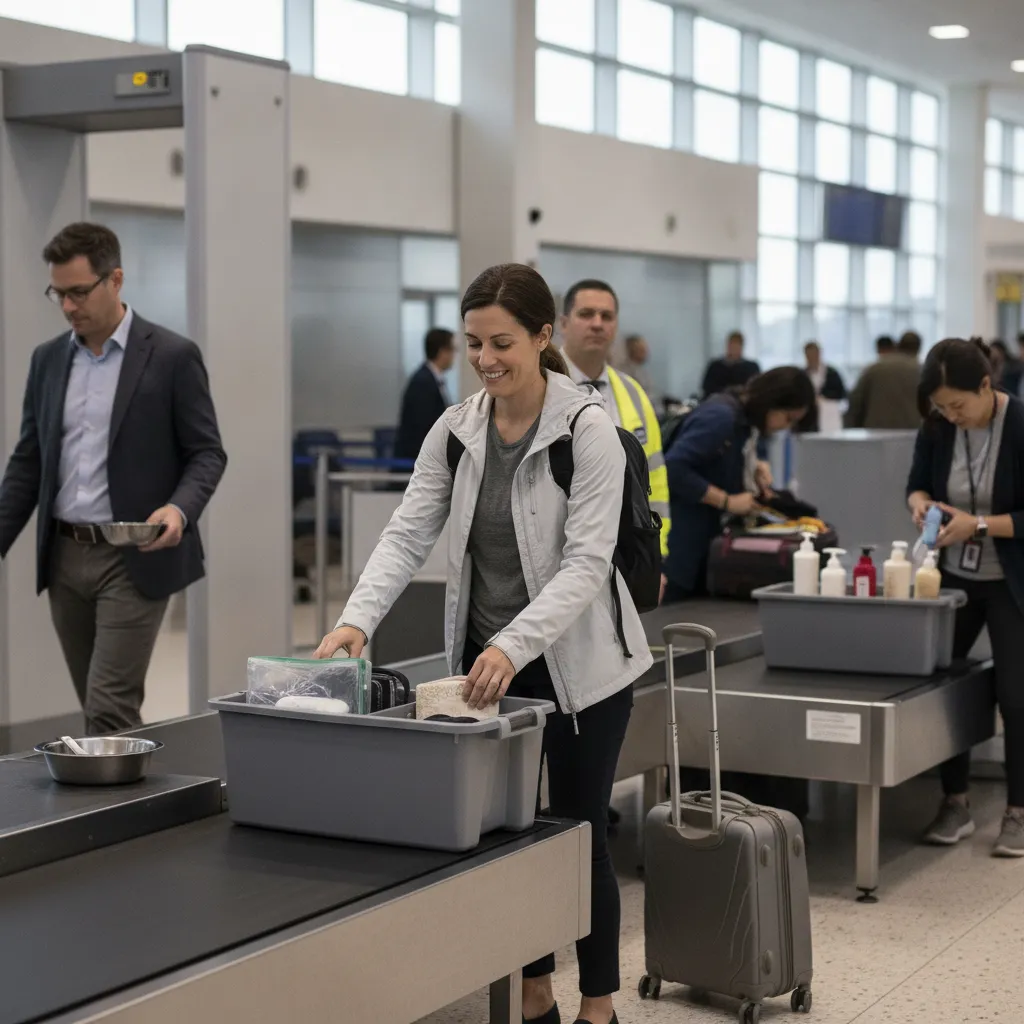
Physical preparation begins long before reaching the conveyor belt. While newest scanning technology allows some passengers to leave laptops and liquids inside their bags, savvy travelers still pack their quart-sized liquid bags in accessible outer pockets just in case. They also choose clothing and footwear that cooperate with sensors, opting for simpler shoes over heavy metals that might trigger an alarm despite updated shoe removal policies. To avoid unnecessary second passes through detectors, they clear their pockets entirely, tucking keys and phones safely into their carry-ons rather than tossing them loosely into bins.
Finally, communication and observation play key roles in maintaining momentum. Experienced fliers read the signage in each specific lane to determine if they need to unpack electronics or if advanced CT scanners make such steps redundant. They also proactively disclose exempt items, such as baby formula or medically necessary liquids, preventing unexpected pauses during screening. By combining foresight regarding paperwork with strategic packing and open communication with agents, these travelers transform one of the most stressful parts of any journey into a non event.