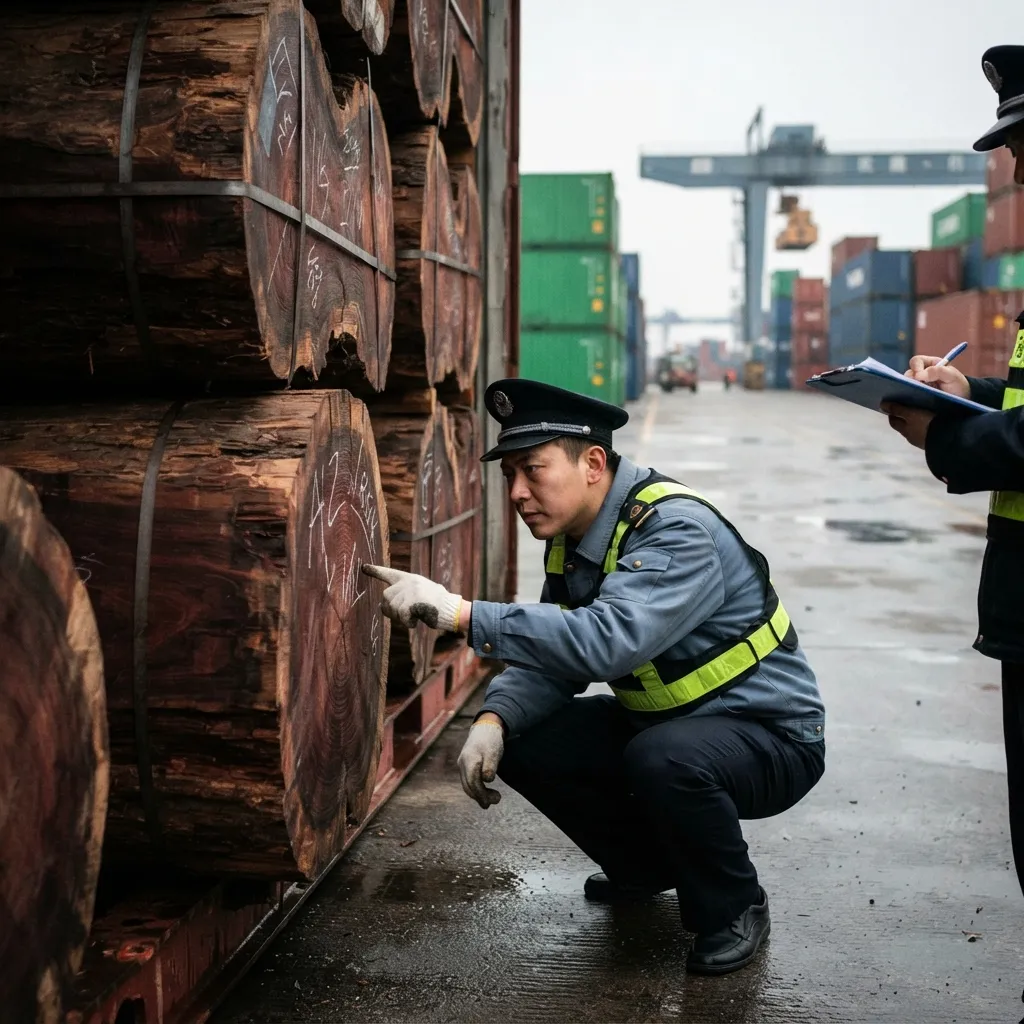
When a customs officer from Wuhan successfully intercepted 140 tonnes of smuggled African rosewood, it served as more than just a victory for conservation; it proved that specialized training can fundamentally change the outcome of border security. This massive seizure was the direct result of skills acquired through programs led by TRAFFIC, demonstrating how bridging the gap between classroom theory and field application allows frontline agents to spot illegal activities that would otherwise slip through the cracks.
Identifying illicit timber is a complex challenge because officers must recognize specific protected species while simultaneously understanding global trade routes and subtle red flags in shipping documentation. To address this, recent initiatives supported by the GIZ-TTT Facility have brought dozens of officials to the Customs Academy in Qinhuangdao. These trainees dove deep into origin verification and risk assessment, resulting in a significant jump in technical proficiency and providing them with reference materials they can now share with colleagues back at their home ports.
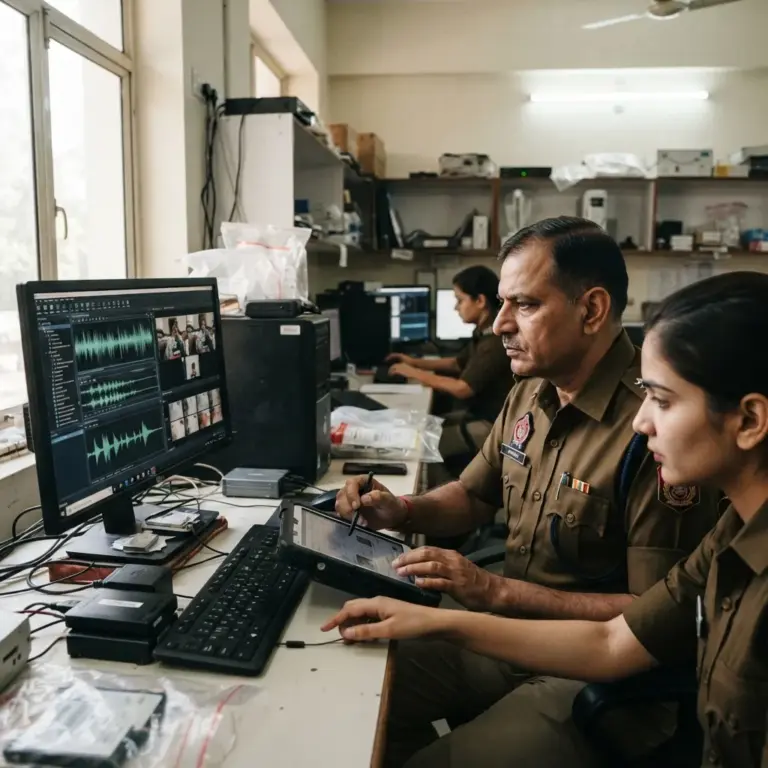
The effort has since expanded into a global collaboration, drawing experts from Asia and Central Africa to Hangzhou for high-level coordination under Operation THUNDER. By integrating artificial intelligence for data monitoring and utilizing advanced digital resources like Timber Tracker and Wood ID, authorities are moving toward a more proactive model of enforcement. Rather than relying on luck or manual inspection alone, officers are now using sophisticated software to track suspicious patterns across international lines.
By fostering these relationships between range, transit, and destination countries, customs agencies are building a unified front against environmental crime. The shift toward tech-driven intelligence gathering means that investigators can move faster from initial suspicion to concrete action. As these tools become standard equipment for border agents worldwide, the window of opportunity for timber traffickers continues to shrink, replacing guesswork with precision forensics.