
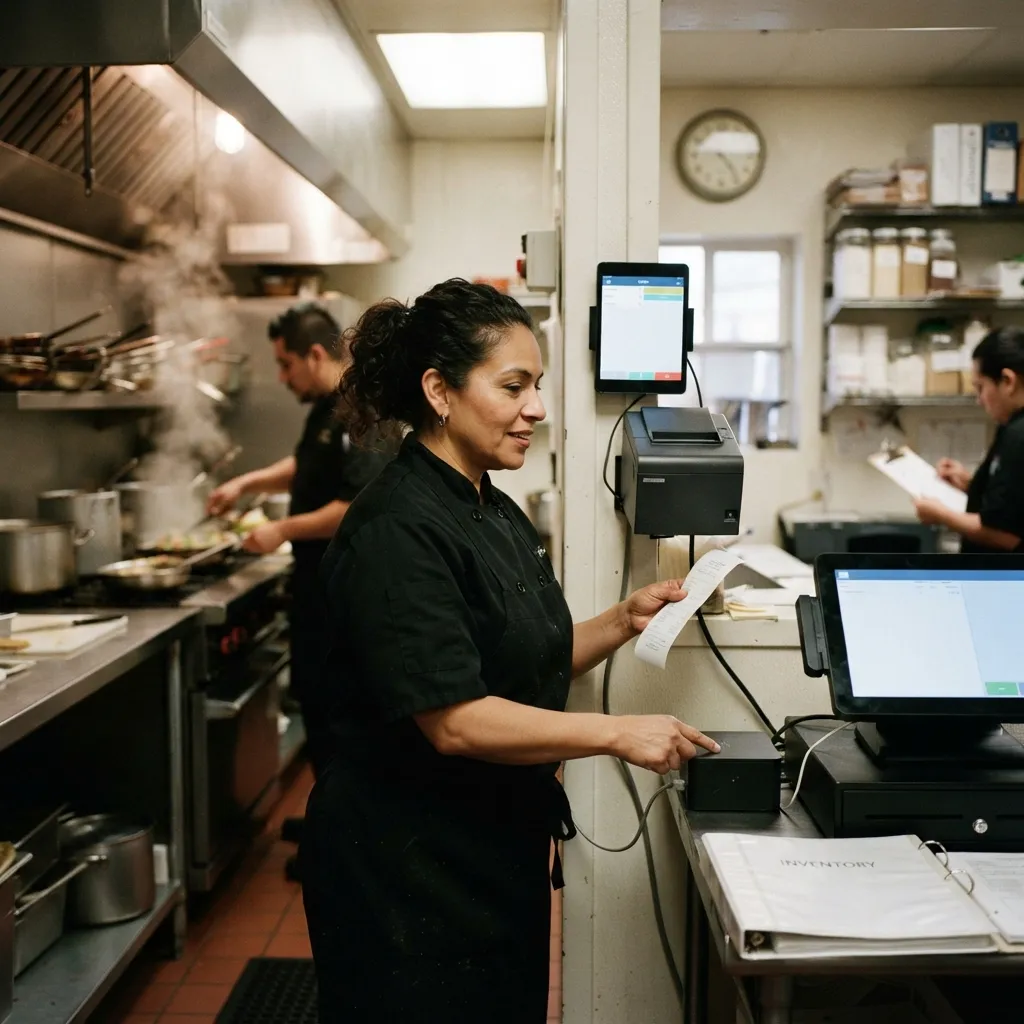
For years, restaurant owners have been caught in a cycle of adding new software to handle everything from payroll and inventory to mobile ordering and loyalty programs. However, a recent research paper from the National Restaurant Association suggests that simply piling on more tools is no longer enough. The industry is shifting toward a phase where the real competitive edge comes not from having the most gadgets, but from making sure those systems actually talk to each other. By connecting disparate data streams, operators can transform raw numbers into actionable intelligence that helps them make faster, smarter decisions about staffing and purchasing.
This push for connectivity is driven largely by changing consumer habits. A significant majority of customers now let digital availability dictate where they eat, whether they are ordering delivery or hitting the drive-thru. While nearly seven in ten diners prefer using apps or kiosks for payment, there is a delicate balance to maintain. The goal is to remove friction from the process without stripping away the human element of dining. Interestingly, many operators believe this synergy is possible, reporting that integrated technology actually enhances their ability to provide genuine hospitality rather than replacing it.
Artificial intelligence is acting as a catalyst for this evolution, moving quickly from a futuristic concept to a daily operational tool. Currently used primarily for analyzing customer feedback and tailoring marketing efforts, AI’s footprint is expected to grow exponentially over the next five years. When sales data blends seamlessly with labor and inventory metrics, managers spend less time buried in spreadsheets and more time coaching their staff and engaging with guests on the floor. This transition allows automation to handle the tedious paperwork while humans focus on the service side of the business.
Despite these benefits, the road to total integration remains bumpy for many small and mid-sized businesses. High costs, skill gaps within the workforce, and concerns over data security continue to act as primary hurdles. As Chad Moutray, the association’s chief economist, points out, technology cannot fix broken internal processes or vague goals; instead, it serves as an amplifier for a strong foundation. For those who can overcome these organizational barriers, the reward is a resilient business model capable of navigating thin margins and rising guest expectations through sheer efficiency.