
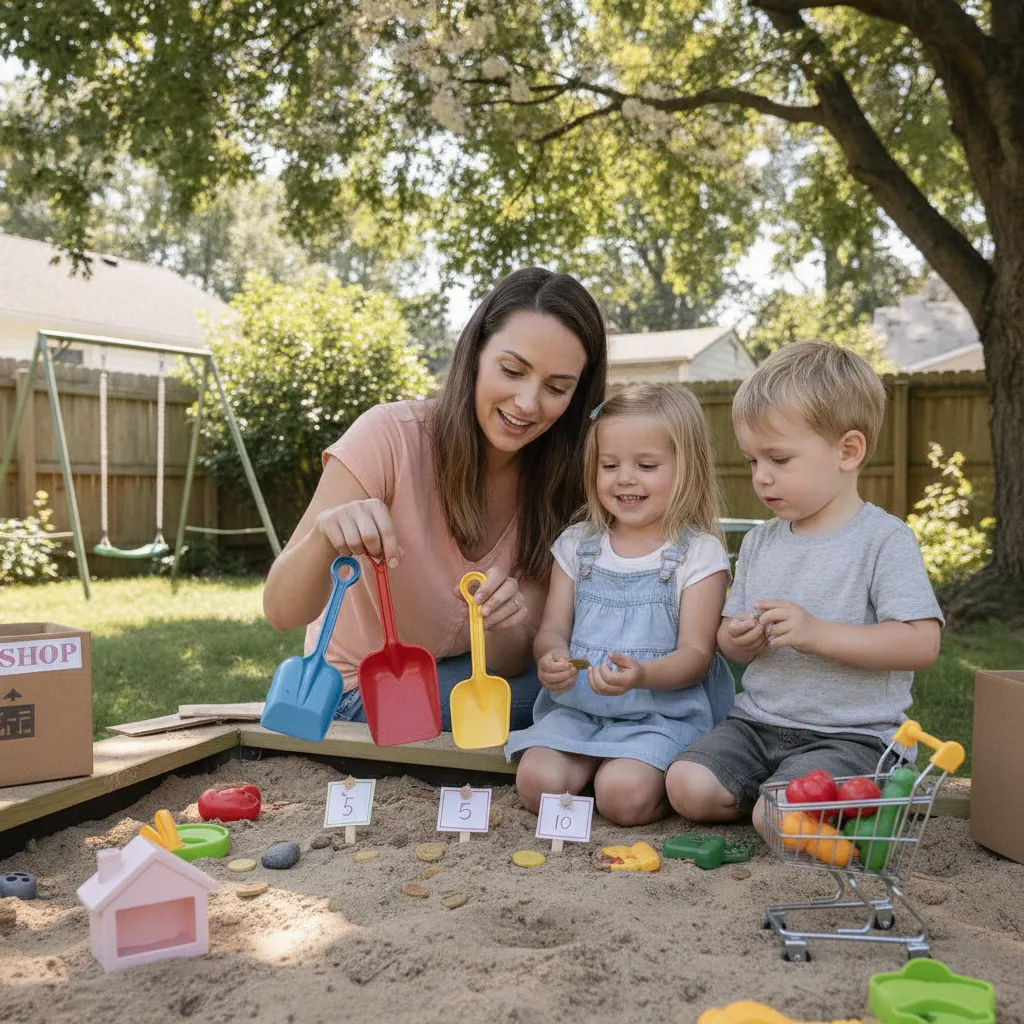
Teaching children how to handle money often feels like a daunting task for parents who are still figuring out their own finances, but experts suggest that the secret lies in small, consistent routines rather than complex lectures. By integrating financial concepts into daily activities, families can move away from the abstract idea of currency and toward a practical understanding of value. Simple actions, such as letting a child help compare prices at the grocery store or explaining why certain items are chosen over others, transform an ordinary errand into a real world lesson in prioritization.
As children grow older, introducing them to the reality of household expenses can provide critical context for how a family functions economically. While it is important not to burden kids with adult stressors, involving them in age appropriate discussions about utility bills or planning a vacation budget teaches them that resources are finite. Encouraging these conversations creates an environment where money is discussed openly and logically rather than being treated as a taboo subject.
Ultimately, the goal is to foster a healthy relationship with money that emphasizes intentionality over impulse. By praising smart choices and allowing for small mistakes while the stakes are low, parents can equip their children with the confidence to navigate their financial futures independently. These early habits serve as the foundation for lifelong stability, ensuring that by the time they reach adulthood, managing a bank account feels like second nature rather than a source of anxiety.